
Posts by Carla Grobler
When should a child be referred to an occupational therapist? (Part 2)

7. Praxis Praxis (also called motor planning) is the ability of the brain to conceive, organize, and carry out a sequence of tasks/actions. Praxis is the ability to self-organize. Praxis includes ideation – motor planning – task execution. Impairment here will influence gross motor skills, planning tasks, work speedand task execution negatively. How will I…
Read MoreWhen should a child be evaluated by an occupational therapist? (Part 1)

It is important to keep in mind that each child develops at his/her own pace. The moment a child’s performance is impaired/influenced/limited in a life sphere (school, play, social skills, self-care, communication) the child should be referred for an occupational therapy assessment. If a child shows impairment in one of the following areas and/or struggles…
Read MoreWhat is visio-motor integration and why is it important for hand writing?

Visio-motor integration is the ability to coordinate the visual system (what we see) with our fine motor skills (to be able to copy this using our hands). Our visual system consists of 3 factors: 1.Visual perceptual skills Discrimination Memory Sequential memory Form constancy Foreground-background Spatial relations Position in spaceVisual acuity 2. Vision Eye-muscle functioning 3.…
Read MoreSensory Integration (Part 7) – The Vestibular System

The vestibular sense has an influence on: Vision Hearing: speech and language development Muscle tone Bilateral integration Motor planning Movement Balance Gravitational security Emotional security Physical security Registration The vestibular system is regulated by two systems: the semi-circular canals and the otolith. The vestibular system is activated by movement of the head (linear, angular or…
Read MoreSensory Integration (Part 8): Praxis

Sensory integration – Overview of Praxis Ayres describes praxis as “A uniquely human skill requiring conscious thought and enabling the brain to conceptualise, organise and direct purposeful interaction with the physical world. Thus, the ability by which we figure out how to use our hands and body in skilled tasks like playing with toys, using…
Read MoreSensory Integration (Part 6): Postural Control

Postural stability Postural control assists us to maintain postures against gravity. Stability is necessary when we are sitting, standing and moving. It gives us the safety and security to move, if a child does not have this security the child may become emotionally insecure. Postural stability is influences by 4 systems: visual, vestibular, proprioception and…
Read MoreSensory Integration (Part 5) The Proprioceptive System
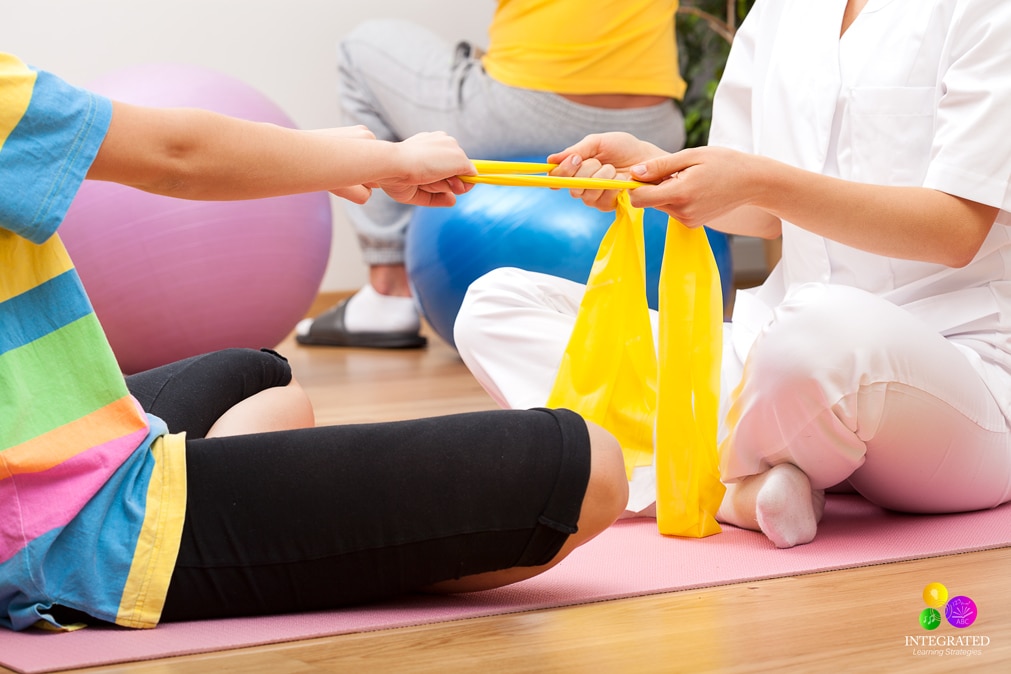
The proprioceptive system has an influence on: Visual discrimination Tactile system Vestibular system Motor control Motor planning Sequencing of movements Grading of movement (force, speed and timing) Postural stability Emotional security Body awareness Alignment of body parts Registration This system, like the vestibular system, is automatic and not part of our conscious awareness. Bundy says…
Read MoreSensory Integration (Part 4): The Touch System
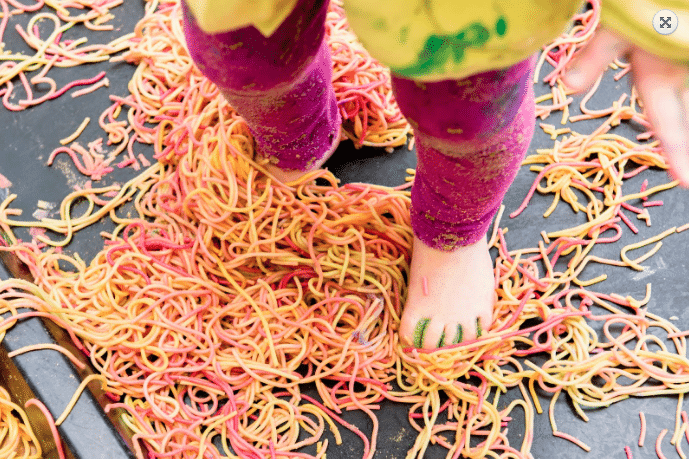
THE ANATOMICAL REVIEW – REGISTRATION The touch system has the biggest receptor area of all the senses. We need constant touch to keep us organized and functioning. We register touch through receptors in our skin. We register light touch, deep pressure, skin stretch, vibration, movement, temperature and pain from tactile receptors. THE TACTILE SYSTEM…
Read MoreSensory integration (Part 3) – The Auditory System
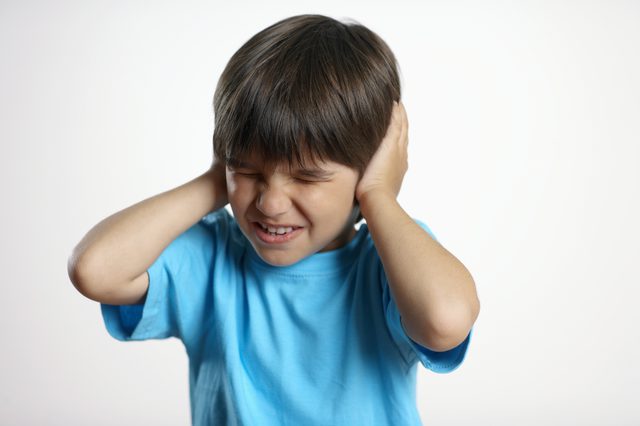
THE ANATOMICAL REVIEW – REGISTRATION Sound waves enter the ear canal through the pinna. The waves now move to the tympanic membrane. After the tympanic membrane is the middle ear where the auditory waves travel over the incus, stapes and malleus. The waves now move into the inner ear into the cochlea. The cochlea has…
Read MoreSensory integration (part 2) – The Visual System

THE ANATOMICAL REVIEW – REGISTRATION Lights enters the eye and is refracted by the cornea. The light then passes through the pupil and is further refracted by the lens. An inverted image is then projected onto the retina. The retina consists of rods and cones – called photoreceptor cells. Rods are found in the periphery…
Read More